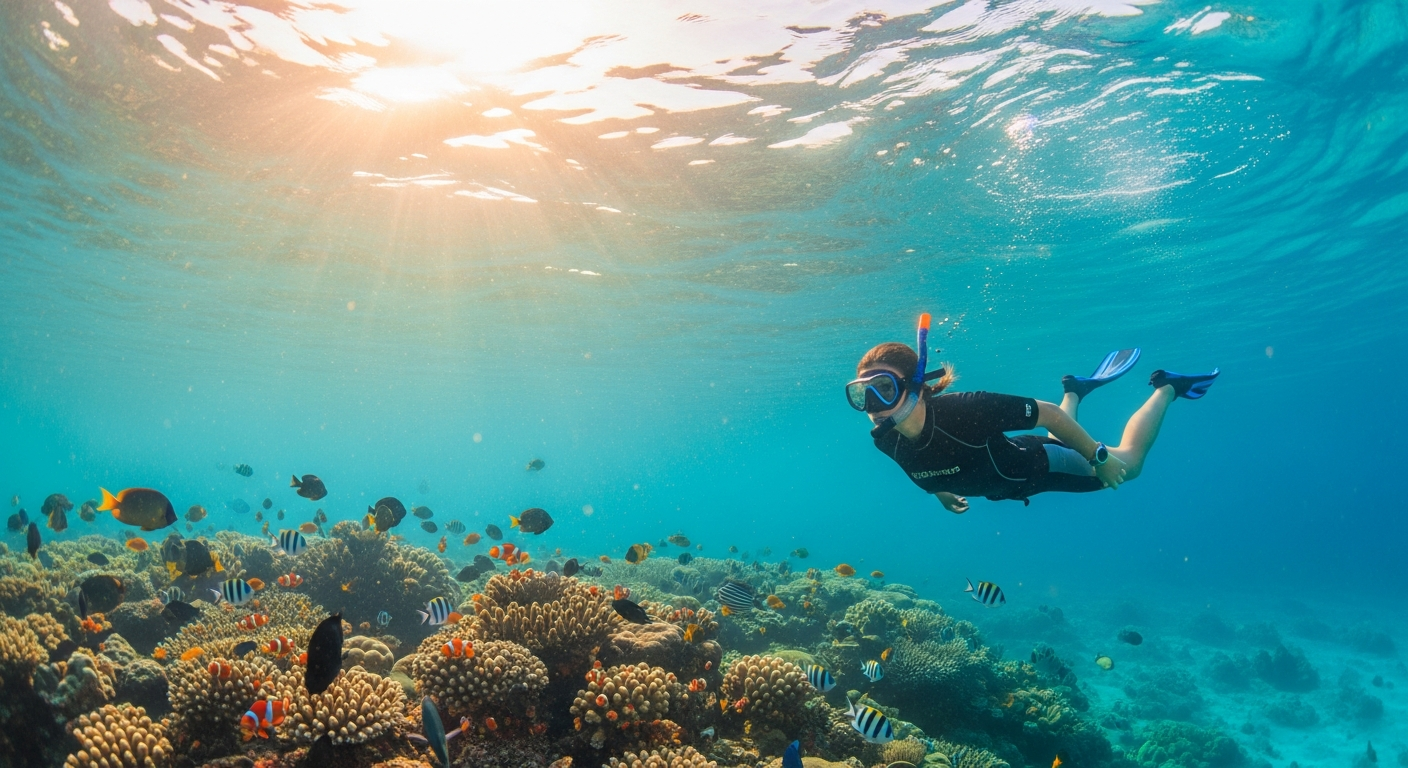
Key Takeaways
- Snorkeling in Mandalika is best between April and October due to calm seas and clear visibility.
- Top snorkeling spots include Tanjung Aan Beach and Gili Nanggu, known for vibrant marine life.
- Essential gear includes a snorkel mask, fins, and a wetsuit for cooler waters in early mornings.
- Local tours offer guided snorkeling trips, providing gear and expert insights into the best marine locations.
Snorkeling in Mandalika in 2027 promises an exciting aquatic adventure with optimal times between April and October. Various locations offer diverse underwater experiences, and you’ll need specific gear to make the most of your visit. Here, we explore the best times, locations, and equipment required for snorkeling in Mandalika.
Best Times for Snorkeling in Mandalika 2027
Mandalika, located on the southern coast of Lombok, Indonesia, offers some of the best snorkeling experiences in Southeast Asia. The ideal time to visit for snorkeling is from April to October. During these months, the weather is generally dry, the sea is calm, and underwater visibility is at its peak.
The dry season in Mandalika coincides with the southeast trade winds, creating perfect conditions for snorkeling. The absence of rain reduces the runoff into the ocean, which means clearer waters. Additionally, the sea is typically calmer, making it safer and more enjoyable for snorkelers of all skill levels. Planning your trip during these months maximizes your chances of enjoying the full beauty of Mandalika’s underwater ecosystems.
During these peak months, the average air temperature ranges from 28°C to 32°C (82°F to 90°F), ensuring warm conditions both in and out of the water. The water temperature hovers around a comfortable 27°C to 29°C (81°F to 84°F), making extended snorkeling sessions enjoyable. Furthermore, local festivals such as the Bau Nyale, held in February, can add cultural richness to your snorkeling itinerary if you’re willing to explore beyond the optimal snorkel season.
Top Snorkeling Locations in Mandalika
Gerupuk Bay stands out as a premier snorkeling spot in Mandalika, renowned for its wide array of marine life. The bay’s unique geography and protected environment provide a habitat for lively coral reefs and diverse species of fish. Snorkelers can expect to see clownfish, angelfish, and sometimes even sea turtles.
Tanjung Aan Beach is another popular snorkeling destination, known for its long stretches of white sand and calm waters. The beach’s proximity to the reef makes it an excellent spot for beginners. Here, the shallow waters are teeming with colorful fish and small coral formations, providing an engaging underwater experience.
For those seeking a more adventurous snorkeling experience, Batu Payung, located near Tanjung Aan, offers striking underwater rock formations and a chance to encounter larger marine life. The unique landscape includes intriguing rock arches and crevices, where you might spot moray eels and larger pelagic fish. Hiring a local guide can enhance your exploration here, as the currents can be stronger than in other areas.
Essential Snorkeling Gear Requirements
When preparing for a snorkeling adventure in Mandalika, it’s crucial to have the right equipment to ensure safety and comfort. A mask and snorkel set is essential, with prices ranging from $30 to $70 depending on the brand and quality. Look for a mask that fits comfortably and does not leak, and a snorkel with a purge valve to expel water easily.
Fins are also necessary for efficient movement through the water, with prices typically starting at $25. They should fit well and feel comfortable on your feet. If you plan to snorkel in deeper or more isolated areas, consider a snorkel vest for added buoyancy and safety. These can be purchased for around $40. Additionally, wearing a rash guard or a wetsuit is recommended to protect against sun exposure and jellyfish stings.
For those planning longer snorkeling excursions, investing in a good quality underwater camera, priced between $150 to $300, can help capture the vivid marine life. Waterproof bags, costing around $20, are also useful for keeping your personal items dry. Being properly equipped not only enhances your experience but also ensures your safety in various snorkeling conditions.
Marine Life to Expect in Mandalika
Mandalika’s waters are home to an impressive diversity of marine life. Snorkelers can encounter various species of tropical fish, such as parrotfish, butterflyfish, and damselfish. The rich coral formations provide shelter to smaller marine creatures like crabs and sea urchins.
For those lucky enough, larger species such as reef sharks, rays, and even dolphins can be spotted. The area’s conservation efforts have helped maintain the health and biodiversity of these ecosystems, making Mandalika a top choice for marine enthusiasts. Guides familiar with the area can offer insights into the best spots to observe these creatures safely.
In addition to the more commonly spotted species, during the right conditions, nudibranchs and seahorses can also be found in the nooks of the coral reefs. The lively colors and unique shapes of these creatures are a delight for macro photographers and nature lovers alike. Seasonal blooms of plankton attract manta rays in certain months, providing a rare opportunity for snorkelers to witness these grand creatures in their natural habitat.
Conservation and Environmental Impact
Efforts are being made to preserve the delicate marine ecosystems in Mandalika. Local organizations collaborate with international groups to implement sustainable tourism practices. These include educating tourists on the importance of not touching or damaging coral reefs and promoting the use of eco-friendly sunscreen to prevent chemical pollution.
Visitors are encouraged to participate in beach clean-up activities and abide by guidelines that protect marine life. By respecting these measures, snorkelers contribute to the ongoing preservation of Mandalika’s underwater beauty, ensuring its longevity for future generations to enjoy.
In 2027, new initiatives focus on limiting the number of visitors to vulnerable reef areas during peak months. This helps reduce foot traffic and gives the ecosystems time to recover. The introduction of marine sanctuaries and no-fishing zones in certain areas further aids in preserving the regions’ natural biodiversity. Conscious choices by tourists can significantly impact the health of these marine environments positively.
Travel Tips for Snorkeling in Mandalika
Traveling to Mandalika is relatively straightforward, with Lombok International Airport serving as the main access point. From the airport, it’s a short drive to the snorkeling hotspots. Car rentals or local taxis are available for transportation. Booking accommodations in advance is recommended, especially during peak months.
Be sure to check local weather conditions and sea reports before heading out. While snorkeling, it’s crucial to stay hydrated, apply reef-safe sunscreen, and be mindful of the ocean currents. Engaging a local guide can enhance your experience by providing valuable insights and ensuring your safety.
Consider exploring nearby cultural attractions such as the traditional Sasak villages, which offer a glimpse into the local customs and way of life. Dining locally allows you to taste Lombok specialties like Ayam Taliwang and Plecing Kangkung, adding a culinary adventure to your trip. Always ensure your travel insurance covers snorkeling and water activities to avoid unexpected expenses.
FAQs
Q? What is the best time of year to go snorkeling in Mandalika? A: The best time for snorkeling in Mandalika is during the dry season, from April to October, when the weather is favorable, and water visibility is excellent.
Q? Are there any specific snorkeling spots recommended for beginners? A: Yes, Tanjung Aan Beach is highly recommended for beginners due to its calm waters and easily accessible coral reefs.
Q? What should I do to minimize my environmental impact while snorkeling? A: To minimize environmental impact, use reef-safe sunscreen, avoid touching marine life, and participate in local conservation efforts where possible.
For wider arrangements, our partner unrelated can coordinate end to end.
Planning something bigger across Indonesia? For premium coordination visit baliluxurytransport.
Explore all mandalikainvestment.com options and plan your trip.
Leave a Reply