Blog

  • Day-by-Day Mandalika Itinerary: Surfing, Temples, and Sunset Spots for 2027

    Explore Mandalika in 2027 with a detailed day-by-day itinerary perfect for surf enthusiasts, culture lovers, and sunset seekers. Plan your journey with insights into the best surfing spots, revered temples, and top sunset locations in this Indonesian destination.

    Day 1: Arriving in Mandalika and Surfing at Tanjung Aan

    Start your Mandalika adventure by landing at Lombok International Airport. Just a 30-minute drive away, Mandalika is a burgeoning tourism destination in Indonesia’s West Nusa Tenggara province. Upon arrival, head to your accommodation; options range from budget-friendly hostels at around $20 per night to luxury resorts costing upwards of $200. Once settled, get ready for an exhilarating surfing session at Tanjung Aan Beach. Known for its unique, pepper-like sand, Tanjung Aan offers waves suitable for beginners and intermediate surfers, with board rentals available for approximately $10 per day. As you ride the waves, enjoy the scenic view of the surrounding hills and turquoise waters.

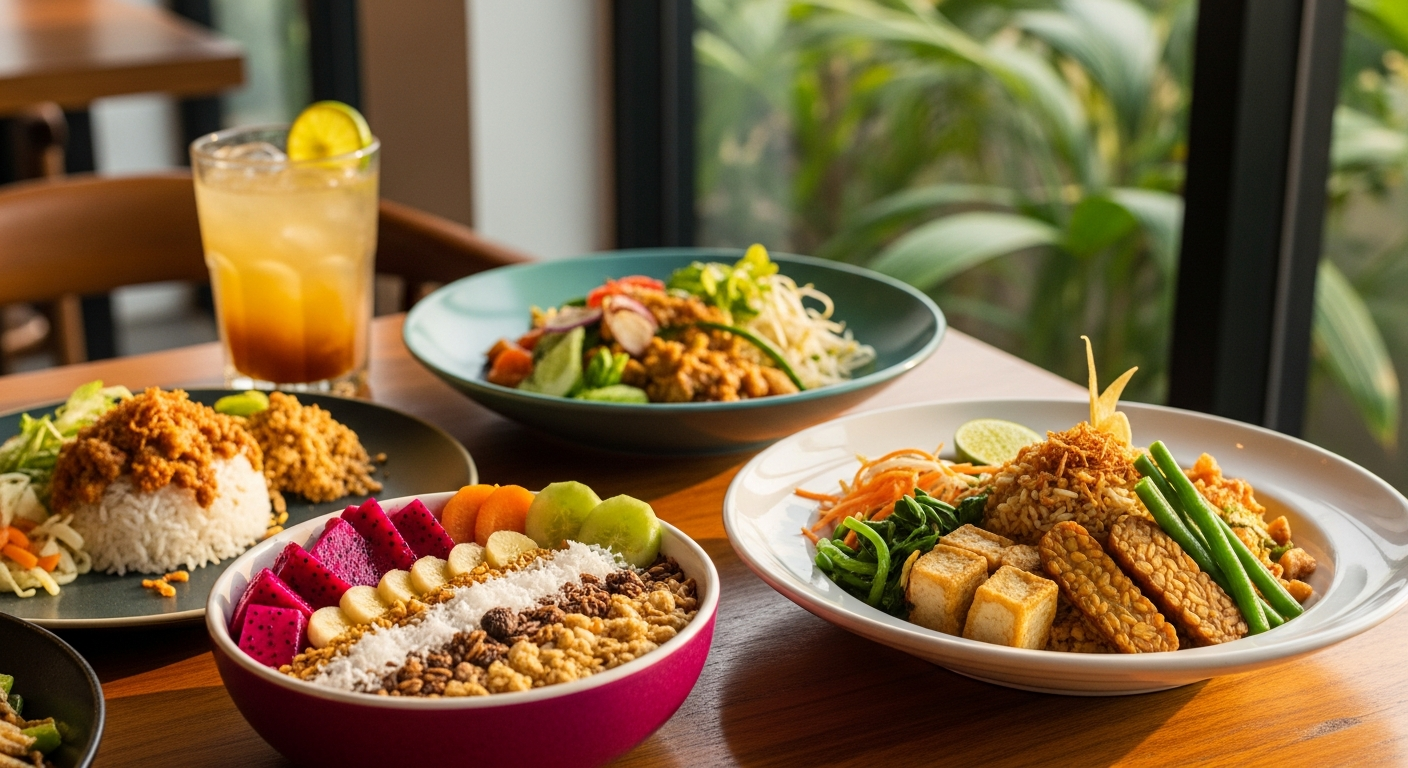
    After surfing, grab a bite at local eateries offering traditional Sasak cuisine. Dishes like Ayam Taliwang (grilled chicken) and Plecing Kangkung (water spinach salad) are a must-try, with meals typically costing between $5 to $10. End your day relaxing on the beach or exploring the nearby Bukit Merese hill, which affords panoramic views of the coast, especially beautiful as daylight fades.

    Day 2: Exploring Kuta and Discovering Local Culture

    On your second day, dive into the cultural heart of Mandalika in the town of Kuta. Start your morning with a visit to the Mandalika Market, where you can engage yourself in the local way of life. Here, vendors sell everything from fresh produce to handmade crafts. It’s a fantastic place to pick up souvenirs or sample local snacks like fried bananas.

    Next, head over to the Sasak Village in Sade, a short drive from Kuta. This traditional village offers insight into the lives of the Sasak people, who predominantly inhabit Lombok. Guided tours, usually priced around $5, provide a fascinating glimpse into their customs, traditional weaving techniques, and unique architecture. For lunch, consider stopping by a local warung (small restaurant) for a hearty meal of Nasi Campur, which is a local dish combining rice, vegetables, meat, and sambal (spicy sauce).

    Day 3: Temple Tours and Spiritual Insights

    The third day is dedicated to exploring some of Mandalika’s spiritual sites. Begin with a visit to the Batu Bolong Temple, located about an hour’s drive from Mandalika. Perched on a volcanic outcropping, this Hindu temple provides striking views over the Lombok Strait. Entry to the temple is free, but donations are appreciated. Remember to wear a sarong, which is customary at Balinese Hindu temples, to show respect.

    Continue your spiritual journey with a trip to Pura Lingsar, one of the most significant temples on Lombok. Built in 1714, it is a symbol of harmony between the island’s Hindu and Muslim communities. The temple complex is open to visitors for a nominal fee, usually around $2. As you wander through the gardens and courtyards, take in the peaceful atmosphere and learn about the unique traditions practiced here.

    Day 4: Surfing at Gerupuk and Snorkeling Adventures

    Return to the waves with a day of surfing at Gerupuk Bay. Located about 15 minutes east of Kuta, Gerupuk offers a variety of surf breaks for all skill levels. Local guides are available for hire for around $20, providing useful tips on navigating the waves. If you’re new to surfing, this is an excellent opportunity to learn from the locals, renowned for their friendly nature and expertise.

    In the afternoon, switch gears with a snorkeling adventure in the nearby waters. Many local operators offer snorkeling tours, starting at approximately $25. These tours often include visits to the lively coral reefs of the Gili Islands, which teem with colorful fish and ocean life. Be sure to bring an underwater camera to capture the striking marine ecosystem.

    Day 5: Relaxation and Sunset at Selong Belanak

    By your fifth day, you’ll likely want some relaxation after days of exploration and activity. Head to Selong Belanak Beach, about a 30-minute drive from Mandalika. Known for its crescent-shaped bay and fine white sand, this beach is perfect for a laid-back day. Rent a sun lounger for around $5 and enjoy the calm, inviting waters ideal for swimming.

    As evening approaches, prepare for one of Mandalika’s most celebrated experiences: watching the sunset. Selong Belanak is renowned for its striking sunsets, with the horizon painted in hues of orange, pink, and purple. Capture the moment as the sun dips below the horizon, a perfect end to a day of relaxation.

    Day 6: Departure and Final Reflections

    On your final day in Mandalika, take some time to reflect on your experiences. If your flight is later in the day, consider a leisurely morning stroll along Kuta Beach, where you can watch the fishermen at work or simply enjoy the serene shoreline. For last-minute shopping, visit Kuta’s artisan shops, where you can find unique items like handmade batik or silver jewelry.

    Before heading to the airport, take a moment to savor a final meal of local cuisine. Whether it’s a spicy Sate Rembiga (beef satay) or a refreshing Es Kelapa (coconut ice), the flavors of Lombok will leave a lasting impression. As you depart, carry with you the memories of Mandalika’s natural beauty, cultural richness, and welcoming community, ensuring you’ll have stories to tell and reasons to return.

    FAQs

    Q? When is the best time to visit Mandalika for surfing? A: The best time for surfing in Mandalika is during the dry season, from May to October, when the waves are at their most consistent and the weather is favorable.

    Q? Are there ATMs and currency exchange services available in Mandalika? A: Yes, Mandalika has several ATMs and currency exchange services. However, it is advisable to withdraw enough cash beforehand, as some areas may have limited banking facilities.

    Q? Can I rent a scooter or car for transportation around Mandalika? A: Yes, scooters and cars are available for rent in Mandalika. Prices for scooter rentals start at around $5 per day, while car rentals can range from $30 to $50 per day, providing a convenient way to explore the region at your own pace.

    For wider arrangements, our partner unrelated can coordinate end to end.

    See also: Total Cost of Visiting Mandalika in 2027: Hotel, Food, and Transport Prices, Mandalika vs. Bali: Which Island Offers Better Surfing and Beaches in 2027? · Home.

  • Mandalika vs. Bali: Which Island Offers Better Surfing and Beaches in 2027?


    Mandalika vs. Bali: Which Island Offers Better Surfing and Beaches in 2027?

    In the ongoing debate of Mandalika versus Bali for the best surfing and beaches in 2027, each island has its unique charm and offerings. Mandalika is emerging as a promising surf destination with less crowded beaches, while Bali remains a favorite with its established surf spots and lively beach culture.

    Surfing Conditions and Spots in Mandalika

    Mandalika, located on the southern coast of Lombok, is gaining attention as a rising star for surfers. The island’s beaches, such as Tanjung Aan and Selong Belanak, offer consistent waves ideal for beginners and intermediate surfers. Unlike Bali, which can get overcrowded, Mandalika’s surf spots provide more space and privacy, making it an attractive option for surfers seeking a more relaxed experience. These beaches are often less commercialized, which adds to the charm and appeal for those looking for a more natural setting.

    The island’s exposure to the Indian Ocean ensures favorable surf conditions throughout the year, with peak surfing season from May to September. During this time, the waves can reach heights of 4 to 6 feet, offering thrilling rides. Additionally, the warm water temperatures, which average around 27°C (80°F), make it an inviting location for surfers. Mandalika is also investing in surf tourism infrastructure, which includes surf schools and rental shops, making it more accessible to international visitors. New developments such as the establishment of surf camps are expected to further enhance the surfing experience by 2027.

    Surfing Conditions and Spots in Bali

    Bali has long been recognized as a premier surfing destination, attracting enthusiasts from around the world. The island boasts a wide variety of surf spots catering to different skill levels. Some of the most popular beaches for surfing include Uluwatu, Canggu, and Padang Padang. These locations are well-known for their strong swells and challenging breaks, particularly appealing to advanced surfers. Uluwatu, in particular, is renowned for its notable waves and is often the site of international surfing competitions.

    Surfing in Bali is best from April to October, aligning with the dry season when the waves are most reliable. During this period, surf heights can range from 5 to 10 feet, drawing thrill-seekers to its shores. The island’s established surfing community and lively nightlife add to its allure. However, the popularity of these spots can lead to crowded line-ups, especially during peak season. Despite this, the infrastructure supporting the surfing industry, such as surf camps and competitions, remains robust and widely celebrated. Beachside amenities and services continue to expand, providing a comprehensive experience for surfers of all levels.

    Beach Experience in Mandalika

    Mandalika’s beaches are often praised for their tranquility and natural beauty. The area is part of a special economic zone development, which aims to enhance its appeal as a tourist destination. Visitors can enjoy the clear waters and white sand beaches, which are perfect for relaxation and swimming. Kuta Beach, not to be confused with its Bali namesake, is one such place offering a peaceful atmosphere. Sunsets here are particularly striking, providing a perfect backdrop for evening strolls.

    The lack of commercialization compared to Bali means that Mandalika offers a more subdued beach experience. The ongoing development projects are poised to introduce new facilities by 2027, including luxury resorts and eco-friendly accommodations, which will likely attract more tourists while maintaining the area’s serene environment. Efforts to create sustainable tourism options are also underway, ensuring that the natural landscapes are preserved even as visitor numbers increase.

    Beach Experience in Bali

    Bali’s beaches are known for their lively atmosphere and extensive amenities. From Seminyak to Jimbaran, visitors can find beach clubs, restaurants, and bars lining the shore. The island’s lively beach culture is part of what makes it so popular among tourists looking for a mix of sun, sea, and social activities. Beachfront parties and events are a common occurrence, adding to the lively vibe that Bali is famous for.

    While the commercial nature of Bali’s beaches provides convenience and entertainment, it may also detract from the natural beauty for some. In contrast to Mandalika, the busy scene in Bali offers little in the way of solitude. Nevertheless, the range of experiences available – from surfing to dining – ensures that Bali’s beaches remain a top choice for many travelers. The variety of accommodations, from budget hostels to five-star resorts, caters to a wide audience, ensuring that Bali’s beaches remain accessible to all.

    Cost Comparison: Mandalika vs. Bali

    When it comes to costs, Mandalika generally offers a more budget-friendly option compared to Bali. Accommodation in Mandalika can range from $30 to $150 per night for mid-range hotels, with luxury resorts priced around $200 to $300. Dining is also reasonably priced, with local meals available for as low as $5. Additional activities such as guided tours and water sports are often more affordable compared to similar experiences in Bali.

    Bali, on the other hand, presents a wider spectrum of pricing. While budget accommodations start at around $20 per night, luxury resorts can exceed $500. Dining varies widely, with options ranging from affordable street food to high-end restaurants. The diversity in Bali’s pricing makes it accessible to both budget travelers and luxury seekers. However, popular tourist areas like Kuta and Seminyak tend to have higher prices due to the demand, particularly during peak travel seasons.

    Future Developments and Prospects

    By 2027, both Mandalika and Bali are expected to undergo significant developments that could change the dynamic of surfing and beach tourism. Mandalika’s ongoing projects aim to enhance its appeal while preserving its natural environment. The Indonesian government’s investment in infrastructure and eco-tourism is likely to bolster its status as a top destination. Planned transportation improvements, including new roads and airports, are set to increase accessibility and streamline travel to the region.

    Bali continues to evolve with new attractions and sustainable tourism initiatives. The island’s established reputation will likely be augmented by further improvements in facilities and services. However, concerns over overcrowding and environmental impact remain. Mandalika’s growth as a rival destination could help redistribute tourist numbers across the region, offering travelers more diverse choices. Collaborative efforts between the islands are being discussed to promote balanced tourism and share best practices for sustainable development.

    Visitor Preferences and Travel Trends

    As travelers become increasingly conscious of environmental impacts, destinations like Mandalika may see a rise in popularity due to their focus on sustainable tourism. Eco-friendly accommodations and initiatives are becoming more attractive, particularly to younger travelers who prioritize sustainability in their travel choices. Mandalika’s commitment to preserving its natural beauty aligns well with this trend.

    In contrast, Bali remains a stronghold for those seeking cultural experiences and nightlife alongside beautiful beaches. The island’s rich cultural heritage, including its temples and traditional arts, continues to draw visitors who are interested in exploring beyond the beaches. Bali’s ability to blend cultural experiences with beach relaxation makes it a unique destination that appeals to a broad audience, ensuring its continued status as a premier travel location.

    FAQs

    Q? Is Mandalika a good destination for beginner surfers?
    A: Yes, Mandalika is a great place for beginners. Beaches like Tanjung Aan offer gentle waves ideal for those new to surfing. Additionally, there are surf schools that provide lessons and equipment rental.

    Q? How does the cost of staying in Mandalika compare to Bali?
    A: Mandalika is generally more affordable than Bali. While both destinations offer a range of accommodations, Mandalika’s prices for mid-range and luxury hotels tend to be lower, making it a suitable choice for budget-conscious travelers.

    Q? What are the peak seasons for surfing in Mandalika and Bali?
    A: The peak surfing season in Mandalika is from May to September, benefiting from consistent wave conditions. Bali’s best surfing period is from April to October, coinciding with its dry season and offering reliable swells.


    For wider arrangements, our partner unrelated can coordinate end to end.

    See also: How to Plan a 5-Day Mandalika Itinerary for 2027 with Family and Kids, Total Cost of Visiting Mandalika in 2027: Hotel, Food, and Transport Prices · Home.

  • Total Cost of Visiting Mandalika in 2027: Hotel, Food, and Transport Prices


    Total Cost of Visiting Mandalika in 2027 | Mandalikainvestment

    Planning a trip to Mandalika in 2027 involves budgeting for various costs including accommodation, dining, and transportation. This guide outlines expected expenses to help you prepare financially for your visit to this destination in Indonesia.

    Accommodation Costs in Mandalika

    Mandalika offers a range of accommodation options that fit different budgets and preferences. In 2027, travelers can expect to pay anywhere between $50 to $300 per night depending on the type of lodging. Budget hotels and guesthouses generally range from $50 to $100 per night. These options provide basic amenities conducive for travelers who prioritize cost savings.

    Mid-range hotels, offering more comfort and facilities such as swimming pools and in-house dining, typically charge between $100 to $200 per night. For those seeking luxury, resorts in Mandalika can range from $200 to $300 or more per night, featuring high-end services and exclusive access to private beaches. Popular luxury resorts like the Novotel Lombok Resort and Villas provide striking views and top-notch amenities, making them a favorite among visitors.

    Many accommodations also offer package deals, especially during off-peak seasons, which can include breakfast, airport transfers, and guided tours of nearby attractions. These packages can provide added value and convenience for travelers looking to explore more of what Mandalika has to offer beyond just a place to stay.

    Dining and Food Expenses

    When it comes to dining, Mandalika caters to various tastes and budgets. Street food is prevalent and offers an inexpensive way to enjoy local Indonesian flavors with prices ranging from $1 to $3 per meal. Local eateries and warungs provide traditional dishes with meals costing around $5 to $10.

    For a more upscale dining experience, restaurants in Mandalika charge approximately $15 to $30 per person. These establishments often serve international cuisines or fusion dishes, prepared with fresh local ingredients. Travelers can budget around $20 to $50 per day for food, depending on their dining choices. High-end dining spots like Ashtari Restaurant & Lounge not only offer gourmet meals but also remarkable views of the surrounding landscapes.

    Food festivals and night markets are also common in Mandalika, especially during the dry season. These events offer a variety of Indonesian delicacies and are a great way to experience the local food culture at a reasonable cost. Participating in cooking classes offered by local chefs can also be a rewarding experience for those interested in learning how to prepare traditional dishes.

    Transportation in Mandalika

    The transportation landscape in Mandalika offers several modes of getting around. Renting a scooter is a popular and budget-friendly option, costing about $5 to $10 per day. This mode of transport allows for easy exploration of the area at your own pace. For those preferring cars, rental fees for vehicles range from $30 to $60 per day, depending on the type and model.

    Public transportation, while less common in Mandalika, is available in the form of bemos (public minibusses) or taxis. Fares for bemos are typically around $0.30 to $0.50 per ride, while taxis start at $1 and increase based on distance. It is advisable to agree on taxi fares in advance to avoid misunderstandings. Some tourists opt for hiring private drivers who are familiar with the local area, which can cost approximately $50 to $100 per day, providing a more tailored travel experience.

    The Mandalika International Circuit, a popular attraction, often sees increased demand for transportation during events like the MotoGP races. Visitors are encouraged to book transport services in advance during such peak times to ensure availability and fair pricing.

    Seasonal Pricing Variations

    Travel costs in Mandalika vary with seasons. The high season, from June to August and December to January, sees an influx of tourists which can drive up the prices for accommodations and flights. During these months, hotel rates can increase by 20% to 50%, and it is advisable to book well in advance.

    In contrast, the shoulder seasons (April to May and September to November) provide a more affordable travel experience with fewer crowds. Prices for hotels and flights are generally lower, making it an ideal time for budget travelers to visit Mandalika. The weather during these months is still pleasant, offering both sun and occasional rain, perfect for sightseeing and outdoor activities.

    Travelers interested in surfing might prefer visiting during the dry months from May to October when the waves are more consistent. This period also aligns with several local festivals and events, providing additional cultural experiences without the high costs associated with peak travel times.

    Additional Costs to Consider

    Beyond the primary expenses of lodging, food, and transport, travelers should account for other costs such as entertainment and activities. Surfing lessons, a popular activity in Mandalika, can range from $25 to $50 per session. Entrance fees to attractions and national parks are typically $10 to $20 per person.

    Shopping for souvenirs or local handicrafts provides a cultural experience, with prices varying based on the type and quality of goods. Local markets offer more affordable options, while boutique stores may charge higher prices for unique items. Items like ikat textiles, pearl jewelry, and carved wooden figurines are popular among tourists looking to bring a piece of Mandalika home.

    Participating in guided tours or cultural workshops is another potential expense. These can range from $30 to $100 depending on the length and inclusiveness of the tour. Such activities provide deeper insights into the local heritage, with many focusing on the Sasak culture indigenous to Lombok, the island home to Mandalika.

    Travel Insurance and Safety

    Travel insurance is another essential consideration when planning a trip to Mandalika in 2027. Policies can range from $50 to $150 depending on the coverage and duration of the trip. This provides peace of mind for unforeseen circumstances such as medical emergencies or trip cancellations.

    Safety in Mandalika is generally not a major concern for visitors. However, it is always advisable to take standard precautions. Keeping valuables secure and being aware of your surroundings ensures a smooth travel experience. Consulting local guides or tour operators can enhance safety and provide valuable insights into exploring the area.

    Travellers are advised to register with their embassy if they plan to stay for an extended period. This can offer additional safety nets in case of natural disasters or political unrest. The local authorities are generally cooperative, and emergency services are accessible, although it’s important to have travel insurance with adequate health coverage due to limited medical facilities in the region.

    Communication and Internet Access

    Staying connected in Mandalika is relatively easy, with various options available for travelers. Most hotels and cafes offer free Wi-Fi, though the speed and reliability can vary. For more consistent internet access, purchasing a local SIM card is recommended. These are available at the airport and in local shops, with prices ranging from $10 to $20 for a package that includes data, calls, and texts.

    Telecommunication providers like Telkomsel and XL Axiata offer good coverage and competitive rates. It is advisable to compare different packages to find one that best suits your data needs, especially if you plan to stay connected for work purposes or frequent social media updates.

    Language can be a barrier in some remote areas, so having a translation app on your phone can be helpful. While English is commonly spoken in tourist spots, learning a few basic Indonesian phrases enhances the travel experience and facilitates better interaction with locals.

    FAQs

    Q? What is the best time to visit Mandalika in terms of cost? The shoulder seasons, from April to May and September to November, are ideal for budget travelers. During these times, accommodation and flight prices are generally lower compared to the high season.

    Q? Are there any affordable dining options in Mandalika? Yes, Mandalika offers numerous affordable dining options including street food and local eateries where you can enjoy authentic Indonesian meals at a low cost. Street food can cost as little as $1 to $3 per meal.

    Q? What transportation methods are available for tourists in Mandalika? Tourists in Mandalika can choose from renting scooters, cars, or using public transportation like bemos and taxis. Renting a scooter is cost-effective for independent exploration, while cars provide comfort for group travel.


    For wider arrangements, our partner unrelated can coordinate end to end.

    See also: Best Time to Visit Mandalika in 2027: Dry Season vs. Rainy Weather Guide, How to Plan a 5-Day Mandalika Itinerary for 2027 with Family and Kids · Home.

  • How to Plan a 5-Day Mandalika Itinerary for 2027 with Family and Kids

    Planning a 5-day itinerary for Mandalika in 2027 with family and kids ensures a comprehensive and enriching experience. This guide provides detailed insights into daily activities, dining options, and accommodations to make the most of your journey while staying informed about the local culture and attractions.

    Day 1: Arrival and Exploration of Kuta Mandalika

    Your adventure begins in Kuta Mandalika, the central hub of the region. After arriving at Lombok International Airport, a 30-minute drive costing around $15 USD by taxi will bring you to Kuta. Here, you can check into a family-friendly hotel such as Novotel Lombok Resort & Villas, where prices range from $100 to $150 USD per night, depending on the season. This resort offers amenities suitable for children, including a kids’ club and swimming pool.

    Spend your afternoon exploring Kuta Beach, a family-friendly spot known for its fine sand and shallow waters. This area is ideal for children to play and swim under supervision. For dinner, head to Ashtari Restaurant, approximately a 10-minute drive from Kuta Beach. The restaurant provides a variety of dishes, including vegetarian options, with a meal costing about $10 to $20 USD per person. Don’t miss the chance to watch the sunset while enjoying your meal.

    Day 2: Adventure at Mandalika MotoGP Circuit and Sasak Village

    The second day brings an exciting visit to the Mandalika MotoGP Circuit, a must-see for racing fans. Children can enjoy guided tours where they learn about the history of MotoGP, with admission fees approximately $10 USD per adult and $5 USD per child. The circuit offers a unique insight into the thrilling world of motorcycle racing, with various interactive displays and memorabilia from past races.

    Next, head to Sade Sasak Village, just 15 minutes away, to experience traditional Sasak culture. This educational stop allows families to learn about the unique customs, clothing, and architecture of the Sasak people. You can also participate in traditional weaving workshops that offer a hands-on experience with local artisans. For lunch, try local dishes at one of the village food stalls, with meals costing less than $5 USD per person. Spend the afternoon at Tanjung Aan Beach, known for its unique pepper-like sand and safe swimming areas for children. Return to your hotel for a relaxing evening or explore the local night market for a variety of affordable dining options.

    Day 3: Water Activities and Relaxation at Gili Islands

    On day three, venture to the Gili Islands, consisting of Gili Trawangan, Gili Meno, and Gili Air. Begin with a 1-hour boat ride from Kuta, costing around $25 USD per person. These islands offer a range of water activities, including snorkeling and glass-bottom boat tours, ideal for families. The lively marine life captivates both adults and children, with snorkeling gear available for rent at approximately $10 USD per day.

    After a morning of aquatic fun, enjoy a picnic lunch on the beach or dine at one of the island’s numerous eateries. Meals typically range from $8 to $15 USD per person. Spend the afternoon relaxing, playing beach games, or exploring the islands by bicycle, with rentals costing about $5 USD per hour. The islands’ serene environment provides a perfect backdrop for quality family time. Return to Kuta in the late afternoon for dinner and rest.

    Day 4: Trekking and Cultural Experiences in Mount Rinjani National Park

    Begin day four with a day trip to Mount Rinjani National Park, approximately 2 hours from Kuta by car. An early start is essential, with transportation costs around $50 USD for a family. Engage in a family-friendly trek, taking in the lush landscapes and diverse wildlife. Guided treks are available, ensuring safety and educational insights, with fees approximately $30 USD per person.

    After the trek, visit nearby Senaru Village to learn about local traditions and visit the beautiful Sendang Gile and Tiu Kelep waterfalls. These natural wonders are accessible via a short hike suitable for children. Enjoy lunch in Senaru, with local dishes priced at about $5 to $10 USD per person. The village offers an authentic glimpse into rural life in Lombok, with opportunities to purchase handmade crafts. Return to Kuta in the evening, where you can revisit Ashtari Restaurant or try a new dining spot.

    Day 5: Leisure and Shopping in Mandalika

    The final day is perfect for leisure and shopping. Visit the newly developed Mandalika Central Park to experience a blend of nature and modernity. This area provides open spaces for children to play and ample walking paths for family strolls. Admission is free, making it an economical choice for the day.

    For shopping, head to the Mandalika Art Market, approximately 15 minutes from the park. The market offers a variety of local handicrafts, textiles, and souvenirs. Engage in friendly negotiations for the best prices, and expect to spend between $5 and $50 USD depending on your purchases. Conclude your day with a farewell dinner at a beachfront restaurant, relishing local seafood dishes before heading back to your accommodation. Popular dishes include grilled fish and coconut-infused curries, providing a delicious end to your trip.

    Practical Tips for a Successful Family Vacation

    Ensure a smooth trip by preparing for the tropical climate in Mandalika, with average temperatures ranging from 28°C to 32°C throughout the year. The dry season from May to September is ideal for travel, offering minimal rainfall. Always carry sunscreen, hats, and insect repellent to protect your family from the sun and insects.

    Communication is key, and learning a few basic Indonesian phrases can enhance your experience. English is widely spoken in tourist areas, but a little effort with the local language is appreciated. Ensure travel insurance is in place to cover any unforeseen circumstances, providing peace of mind during your travels.

    FAQs

    Q? What is the best time of year to visit Mandalika with family? A: The best time to visit Mandalika is during the dry season, from May to September, when the weather is most favorable for outdoor activities and water sports.

    Q? Are there family-friendly accommodations available in Mandalika? A: Yes, Mandalika offers a range of family-friendly accommodations, including resorts like the Novotel Lombok Resort & Villas, providing amenities such as kids’ clubs and pools.

    Q? What safety precautions should be taken while visiting Mandalika? A: Families should take standard safety precautions, including using sunscreen, staying hydrated, and supervising children during water activities. It is also advisable to have travel insurance for added security.

    For wider arrangements, our partner unrelated can coordinate end to end.

    See also: Best Time to Visit Mandalika in 2027: Dry Season vs. Rainy Weather Guide · Home.

  • Best Time to Visit Mandalika in 2027: Dry Season vs. Rainy Weather Guide

    Discover the best times to visit Mandalika in 2027 by comparing the dry season with the rainy weather. Each offers unique experiences, from sun-filled days ideal for beach activities to the lush, lively scenery brought by rains. This guide helps you plan your trip to maximize your enjoyment and make informed decisions.

    Understanding Mandalika’s Climate

    Mandalika, located on the Indonesian island of Lombok, experiences a tropical climate characterized by two main seasons: the dry and the rainy season. The dry season typically runs from May to September, offering warm temperatures with minimal rain, while the rainy season spans from October to April, bringing heavier rainfall and higher humidity.

    With its equatorial location, Mandalika enjoys consistent temperatures year-round, generally ranging from 25°C to 32°C (77°F to 90°F). The dry season offers more predictable weather, making it a favorite time for tourists seeking sun and outdoor adventures, whereas the rainy season provides a different, yet equally captivating experience with lush landscapes and fewer crowds.

    During the dry season, the southeast trade winds bring a pleasant breeze, reducing the perceived heat, especially in coastal areas. The rainy season, in contrast, can experience higher humidity levels, sometimes reaching up to 85%, with frequent afternoon showers that cool the environment and rejuvenate the flora, painting the region in lively greens.

    The Dry Season: May to September

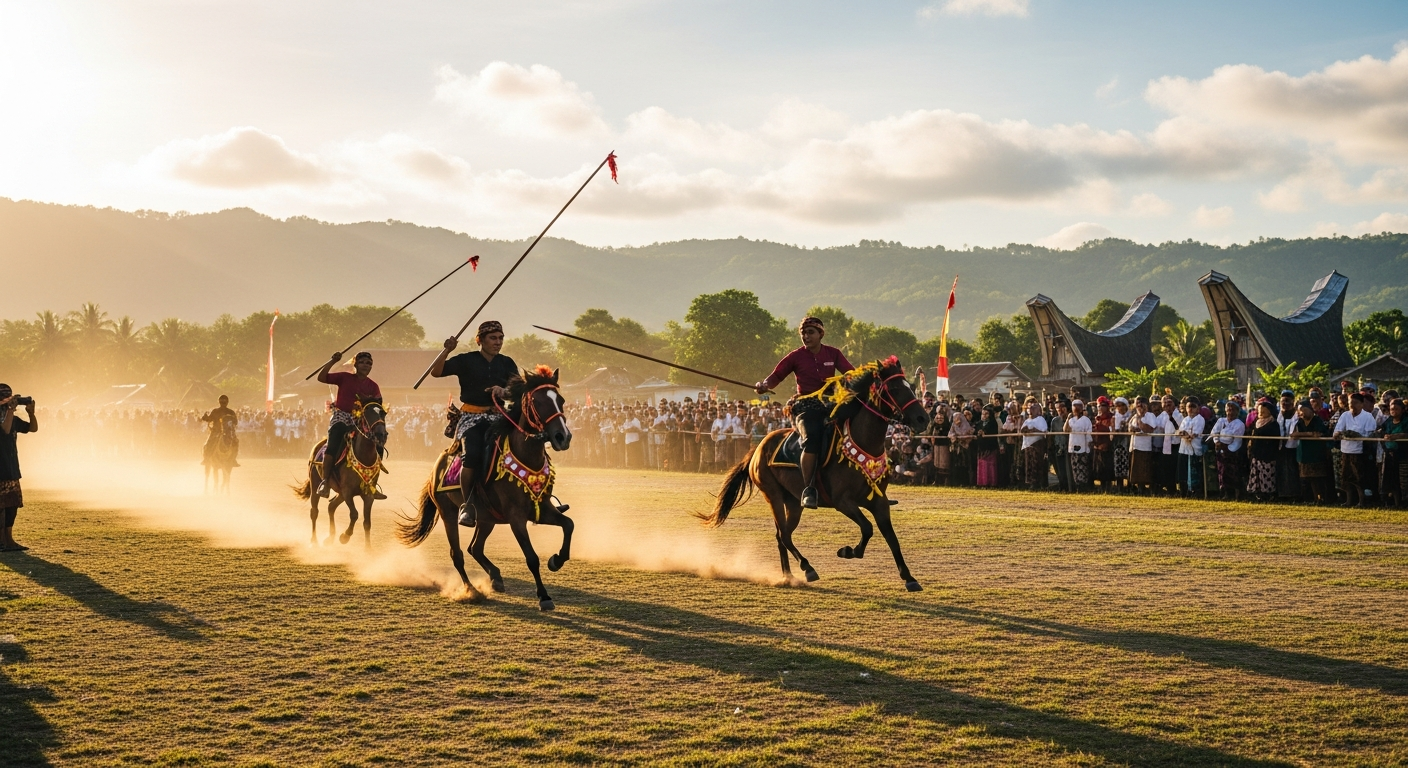
    The dry season in Mandalika is considered the peak tourist period, with July and August being particularly popular. This season is characterized by lower humidity levels and clear skies, making it ideal for beach activities, hiking, and exploring the local culture. During this time, visitors can enjoy events such as the Bau Nyale Festival, which celebrates sea worms believed to bring prosperity.

    Accommodation prices during the dry season reflect its popularity, with rates for hotels and resorts typically higher compared to the rainy season. Visitors can expect to pay around $80 to $150 per night for mid-range accommodations. It’s advisable to book in advance to secure the best rates and choices due to high demand.

    Beyond accommodation, many local businesses and tour operators also increase their prices, with guided tours and excursions often costing between $50 and $200 depending on the activity. The high demand during this period means that attractions like the Mandalika MotoGP circuit can be busy, offering an energetic atmosphere for those who thrive in lively settings.

    The Rainy Season: October to April

    Mandalika’s rainy season, while less popular among tourists, presents its own unique charm. Rainfall can be heavy, particularly from December to February, but it usually occurs in short bursts, leaving plenty of time to enjoy outdoor activities between showers. The landscape becomes lush and green, providing a picturesque backdrop for photography enthusiasts and nature lovers.

    Traveling during the rainy season can be more economical, with accommodation rates generally lower, ranging from $50 to $100 per night for similar quality lodgings compared to the dry season. Additionally, tourist attractions and local businesses are often less crowded, offering a more relaxed experience for those who prefer a quieter visit.

    Visitors during this season can also take advantage of special discounts on tours and excursions, often available at 20-30% off peak season prices. The less crowded beaches and trails mean more personal space and opportunity to connect with the natural surroundings, while local markets offer fresh produce at competitive prices, thanks to the abundant harvests nurtured by the rains.

    Activities to Enjoy Year-Round

    Regardless of the season, Mandalika offers a plethora of activities for all interests. The region is renowned for its striking beaches, like Kuta and Tanjung Aan, which are ideal for surfing, snorkeling, and sunbathing. The dry season is particularly favorable for water sports, but these activities remain accessible throughout the year.

    For cultural enthusiasts, visiting traditional Sasak villages provides insight into the local way of life. These villages, such as Sade and Ende, offer a glimpse into the island’s history and cultural practices. The rainy season can be a great time to explore cultural sites, as the cooler weather and lively landscapes enhance the experience.

    Year-round, visitors can also explore the burgeoning culinary scene in Mandalika, with street food markets and upscale dining options showcasing local delicacies like Ayam Taliwang and Plecing Kangkung. Additionally, the Mandalika Coastal Development Project is enhancing infrastructure and introducing new attractions, promising a dynamic fusion of traditional and modern experiences.

    Travel Tips for Mandalika Visitors

    When planning your trip to Mandalika, consider the specific experiences you wish to have, as this will influence the best time for your visit. If you’re seeking sun-drenched days and busy beach life, the dry season is your best bet. Conversely, if you prefer lush landscapes and a more tranquil atmosphere, the rainy season could be more appealing.

    Packing appropriately for the weather is crucial. Lightweight, breathable clothing is suitable for the humid climate, while a rain jacket and waterproof shoes are advisable if visiting during the rainy season. Regardless of the time of year, don’t forget sunscreen and insect repellent to protect yourself from the tropical sun and insects.

    Travelers should also consider the timing of their flight bookings, with airlines often offering deals and discounts during the rainy season. Keeping a flexible itinerary can be beneficial, allowing for spontaneous exploration and adjustments based on weather conditions or local events.

    Transportation and Accessibility

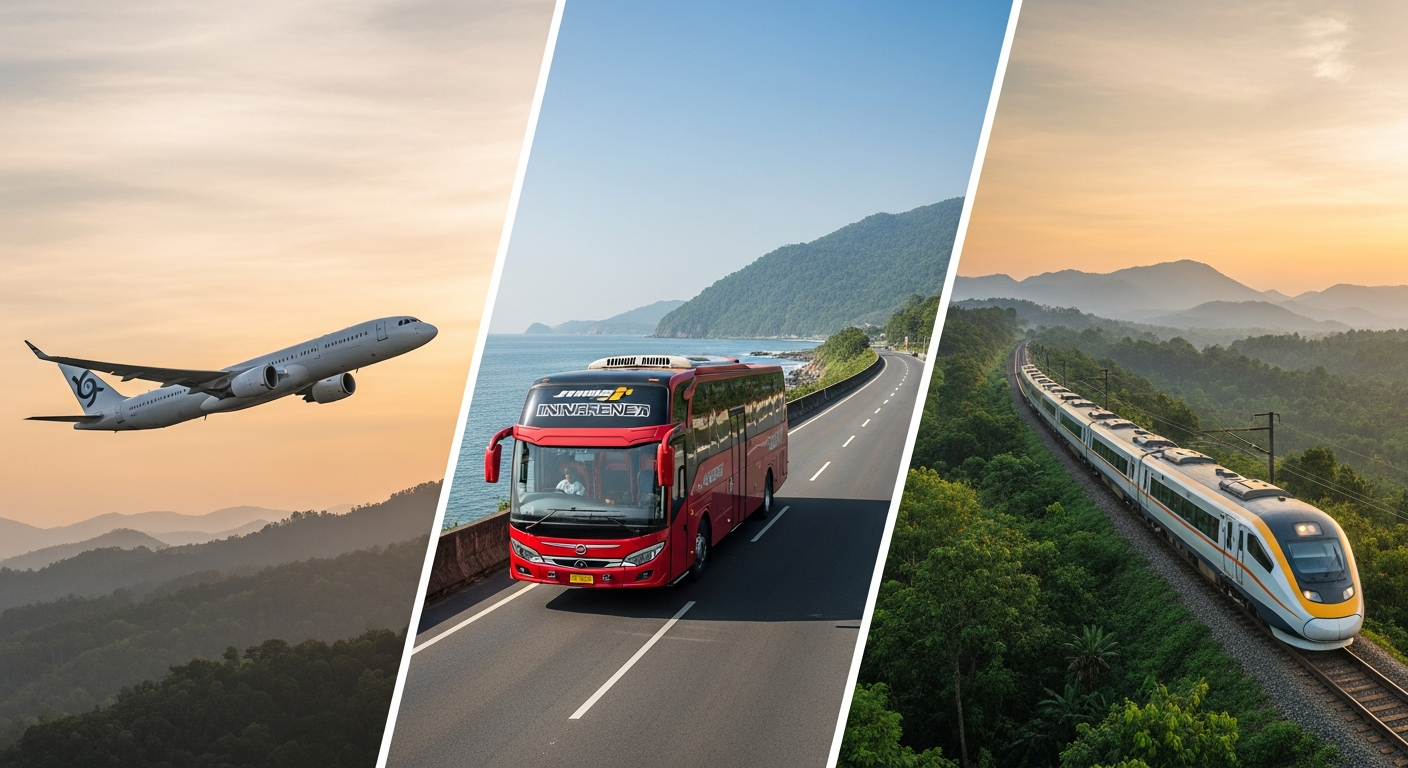
    Mandalika is accessible via Lombok International Airport, which receives flights from major Indonesian cities and international destinations. From the airport, travelers can reach Mandalika by taxi or shuttle services, with fares typically ranging from $10 to $30 depending on the distance and type of service.

    Once in Mandalika, getting around is relatively straightforward. Options include renting a scooter, which is popular among tourists for short distances and exploring the island at your own pace, or hiring a local driver for longer journeys. Public transportation is limited, so visitors often opt for private options to ensure convenience and flexibility.

    Scooter rentals typically cost between $5 and $10 per day, offering a cost-effective and enjoyable way to experience the scenic routes and hidden gems of the island. For those preferring more comfort, private car hires are available, often ranging from $40 to $100 per day, depending on the vehicle type and duration of hire.

    FAQs

    Q? When is the best time to visit Mandalika for surfing? A: The dry season, particularly from June to September, is ideal for surfing in Mandalika due to consistent wave conditions and favorable weather. However, some surf spots are still enjoyable during the rainy season, though conditions can be more unpredictable.

    Q? Are there any significant events in Mandalika during the rainy season? A: Yes, one of the notable events is the Bau Nyale Festival, which occurs in February or March. This cultural event draws locals and tourists alike to witness the unique phenomenon of sea worms emerging on the shores, celebrated with traditional rituals and festivities.

    Q? Can I find budget-friendly accommodations in Mandalika year-round? A: Absolutely. While prices peak during the dry season, there are still budget-friendly options available year-round, particularly in smaller guesthouses and homestays. Booking in advance and exploring less touristy areas can help secure more affordable rates.

    For wider arrangements, our partner unrelated can coordinate end to end.

    Back to home.